Voices from the edge
Searching for Mandela. entry 3.

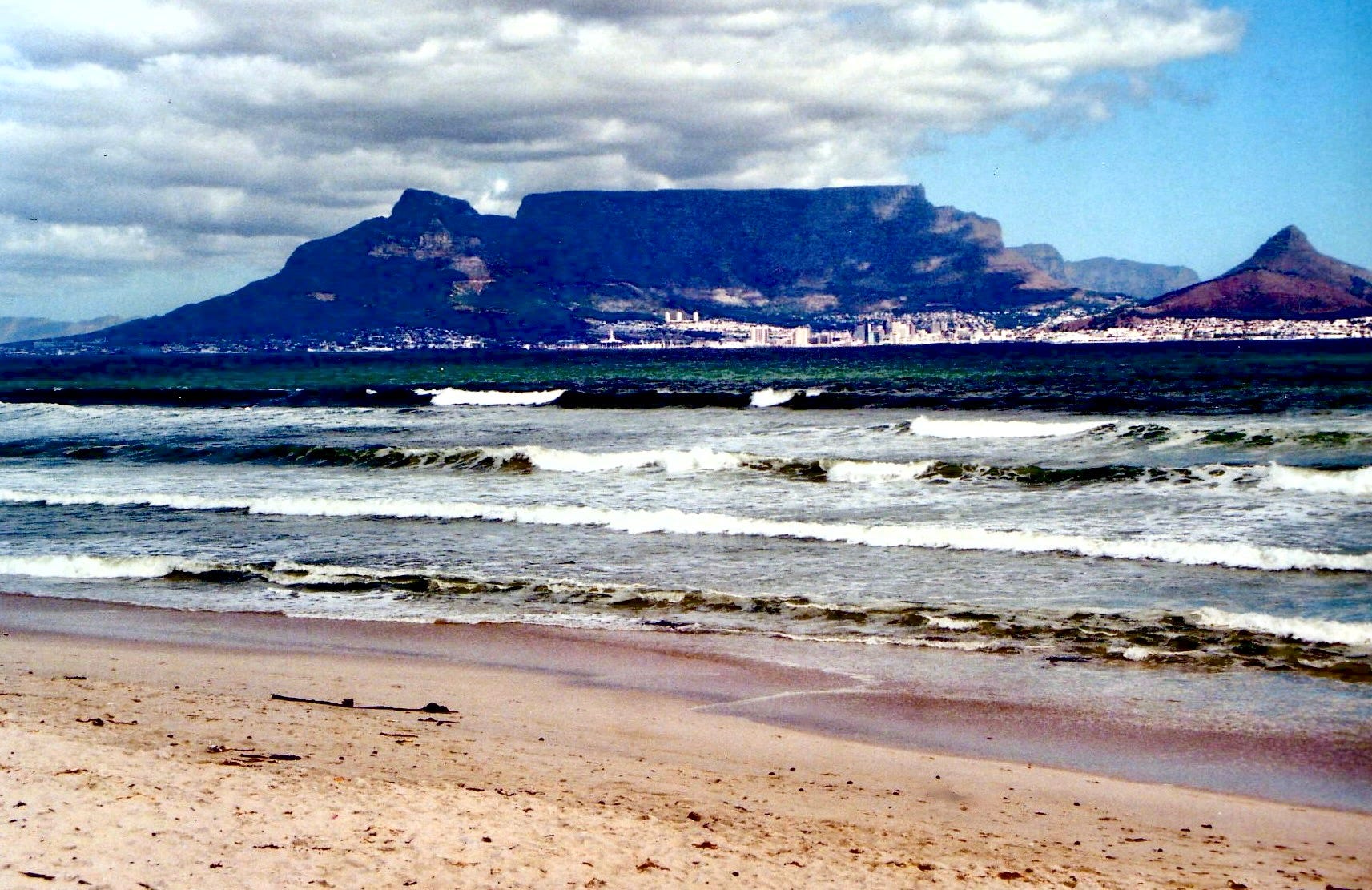
In the bright light of morning I wandered along the Simon’s Town jetty and watched a seal glide through the clear water, fully at home and in no hurry at all. A waterfront cafe became an opportunity to see South Africans being their normal non-racial selves. What a fine place, I thought. I bought copies of the left-leaning Mail & Guardian, together with the Cape Times and a few tabloid papers, then settled down to educate myself about the state of the nation.
Bad move. My reading over subsequent months leads me to offer this advice to anyone visiting the country: if you want to enjoy yourself, do not read a South African newspaper. Even a casual glance could shatter the illusion that South Africa is fair and just, and that it moves on a higher moral plane.
On the positive side South African papers are now completely uncensored, which is a vast improvement on Before-time. Back then, Big Brother looked over every editor’s shoulder. Nowadays, After-time newspapers pull no punches, and get away with savage criticism.
Several papers covered fraud perpetrated by white-collar creeps. One current story involved an investment group with the blandly reassuring name of Fidentia, headed by a podgy-faced young CEO with one of the most reassuring names in criminal history: Mr J Arthur Brown. Fidentia had been entrusted with investing the entire two billion rand assets of the Union of Mineworkers’ Provident Fund, a fund held in trust for the benefit of widows and orphans and accumulated over many years from contributions made by poorly-paid men who sweated deep underground and died young.
Fidentia, whose top executives rewarded themselves a modest monthly R26 million, had within two years managed to lose most of UMPF’s two billion rand. No apologies. Just ‘you gave it to us and we spent it’. Mr J Arthur Brown was in prison awaiting trial. One paper ran a story about a deceased miner’s orphan children, now destitute and living without hope. I was filled with a desire to stuff my copy of the M&G down J Arthur Brown’s throat .
The paper that astonished me most was the Daily Sun, a tabloid packed with exclamation marks and screaming headlines. Dead babies found in dump! School stabbing chaos! Burned and raped! Teacher killed in front of her horrified class! Death by devil-doll! Witch-hunters be warned! Cop’s evil plan backfires! (Took out life insurance on a friend, then shot him.)
I’m not suggesting that the Daily Sun gives a balanced view of life, but it sure opened windows on a world previously unknown to me. The most striking feature of these reports became clear only after I’d bought several issues. Almost every story is a one-off. No back-stories, no follow-ups.
South Africa’s abundance of shocking violence means there’s no need to rake over yesterday’s stories. Today, school stabbing chaos. Tomorrow, fifty new murder cases to choose from. There’s no such thing as a slow news day in the Republic.
Weeks later it occurred to me that the Daily Sun could be part of a white plot, making up stories in order to discredit the ANC. I made inquiries and was told that the owner, a gentleman said to carry a long-barrelled pistol at all times, vigorously defends his team’s journalistic integrity, claiming that every story is taken from police reports, and that all his writers are black Africans with Xhosa and Zulu and Tswana names. Anyway, who am I to disagree with a man who carries a long-barrelled pistol?
One story disturbed me more than most: Why I had sex with a dog! A man in Mothutlung was arrested for copulating with his neighbour’s dog, named Sport. Confronted by police, the man defended his choice of partner, explaining that his preference was a responsible form of safe sex that conveyed the dual benefits of protection from AIDS and saving on condoms. So far, so bad. But the response of Johanna Moholo, Sport’s owner, gave a glimpse through the gates of hell. Her quoted words: ‘How can he rape my dog like that? There are plenty of girls outside.’
The contrast between idyllic landscapes and nightmare headlines was giving me cognitive whiplash. Rapid switches from scenic beauty to dead babies in a dump felt like listening to Mozart while viewing a chainsaw massacre.
So what did I find? Has South African society truly changed since the days of apartheid? The answer: yes and no. The After-country is a blend of miracle and madhouse.
It’s exhilarating, but has a culture of extreme violence. Life is cheap.
It welcomed Mandela with open arms, but now ignores his example.
Apartheid laws have vanished, but inequalities have worsened.
The land is beautiful, but the slums are horrendous.
The constitution is female-friendly, but there’s an epidemic of rape.
Delight and despair are close companions in the new South Africa and anyone who lives there damn well needs to laugh, or else go mad. I mean, in what other country can you find road signs announcing ‘Dung beetles have right of way?’